If a possible HIV exposure occurred within the last 72 hours, seek a PEP assessment as soon as possible. Do not wait for symptoms, a self-test or an online appointment. If more than 72 hours have passed, still seek assessment and a testing plan. [1]
Post-Exposure Prophylaxis (PEP) for HIV is a critical intervention that aims to prevent the transmission of the virus after potential exposure. Understanding the basics of Post-Exposure Prophylaxis, its significance, and the protocols involved is essential for anyone at risk of HIV infection
. In this comprehensive guide, we will explore the concept of Post-Exposure Prophylaxis, its effectiveness, the recommended timeline for administration, and key considerations individuals need to be aware of.
What is PEP and Why is it Important?
Post-Exposure Prophylaxis, commonly known as PEP, is a preventive treatment that involves the use of antiretroviral drugs to reduce the risk of HIV infection after potential exposure. This exposure could be the result of unprotected sex, needle-sharing, or any situation where the transmission of the virus is plausible. Post-Exposure Prophylaxis is not a cure for HIV, but rather a time-sensitive intervention aimed at preventing the virus from establishing itself in the body. [1]
The importance of Post-Exposure Prophylaxis lies in its ability to act as a critical line of defense against HIV transmission, particularly in situations where there's been a recent and identifiable risk of exposure. Understanding when and how to use Post-Exposure Prophylaxis is paramount for individuals who may find themselves at risk and for healthcare providers who play a pivotal role in its administration.
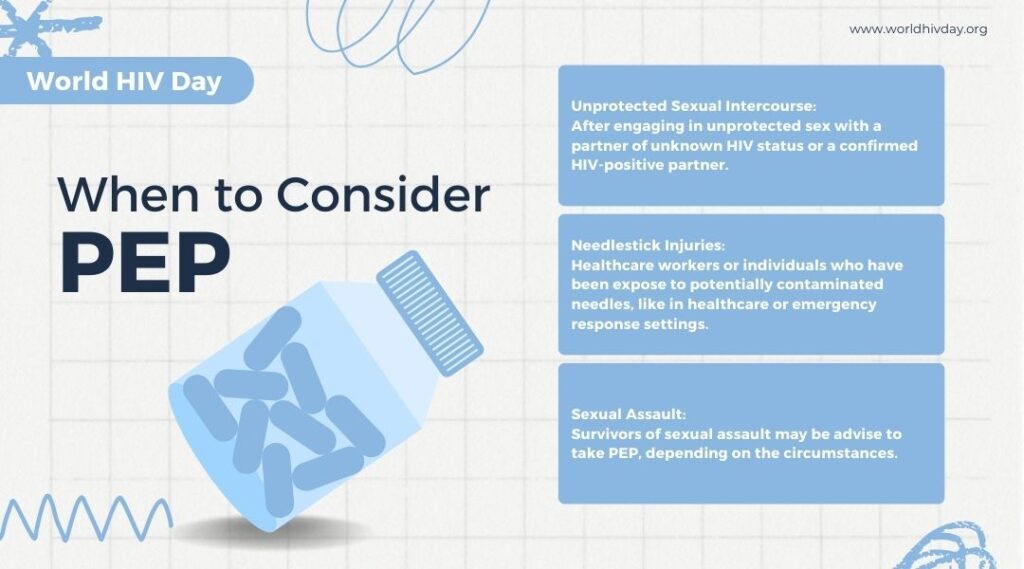
When to Consider PEP
PEP is not a substitute for regular preventive measures, such as condoms and pre-exposure prophylaxis (PrEP). It is typically recommend in emergency situations, such as:
- Possible sexual exposures need assessment of the activity, timing and prevention used, including sustained viral suppression of a partner when relevant. Unknown or positive HIV status alone does not determine whether PEP is indicated. [1] [2]
- Needlestick Injuries: Healthcare workers or individuals who have been expose to potentially contaminated needles, like in healthcare or emergency response settings.
- Sexual Assault: Survivors of sexual assault may be advise to take PEP, depending on the circumstances.
Effectiveness
Seek a PEP assessment as soon as possible and start when indicated within 72 hours; do not wait until that deadline. Indicated PEP should not be delayed for all pending laboratory results. If more than 72 hours have passed, still seek assessment and a testing plan. A course is generally 28 days, with provider-directed follow-up. [1]
Use PEP according to the plan provided and contact the care team promptly if medicine is missed, unavailable or difficult to take. The response depends on the regimen and situation; do not change or double doses from an online rule. Barriers need practical support, not judgments about discipline. [1]
How PEP Works
PEP works by inhibiting the replication of the virus in the body. The antiretroviral medications used in Post-Exposure Prophylaxis are similar to those used in the treatment of HIV-positive individuals. They help prevent the virus from establishing a permanent infection. [1]
Initiating PEP
Seek a PEP assessment as soon as possible and start when indicated within 72 hours; do not wait until that deadline. Indicated PEP should not be delayed for all pending laboratory results. If more than 72 hours have passed, still seek assessment and a testing plan. A course is generally 28 days, with provider-directed follow-up. [1]
Monitoring and Follow-Up
Follow-up testing and review are needed during and after PEP according to the exposure, test and medicines used. An initial negative test does not exclude the latest exposure and completing medication is not a guarantee of a negative result. [1] [3]ลิงก์ประกอบเดิม 1
Side Effects
PEP can cause side effects and the clinician weighs benefits and risks for the individual. Contact the provider about persistent or troubling symptoms. Severe breathing difficulty, sudden throat swelling, fainting or rapid deterioration need emergency care; do not diagnose the cause or change the regimen yourself. [1] [4]
Post-Exposure Prophylaxis is a crucial tool in the prevention of HIV transmission after potential exposure. Understanding when to consider PEP, how it works, and its effectiveness is vital for making informed decisions in situations of possible exposure. If you find yourself in such a situation, seek immediate medical attention and consult with healthcare professionals for guidance on PEP.
หมายเหตุ บทความนี้ให้ข้อมูลความรู้ทั่วไป ไม่ใช่การวินิจฉัย และไม่ใช่คำแนะนำการใช้ยาเฉพาะบุคคล เรื่องยาและการรักษาเป็นการตัดสินใจร่วมกับแพทย์หรือเภสัชกรที่ดูแลคุณ ไม่ควรซื้อ เริ่ม หยุด หรือปรับยาด้วยตัวเอง หากมีข้อสงสัยเกี่ยวกับสุขภาพของตัวเอง ปรึกษาเจ้าหน้าที่สาธารณสุขหรือคลินิกใกล้บ้านได้เสมอ
อ้างอิงตามข้อความที่ตรวจทาน
ตรวจทานและปรับปรุงเนื้อหา: 24 ตุลาคม 2569