Symptoms cannot establish or exclude HIV
HIV can cause no symptoms, or symptoms such as fever, sore throat or rash that resemble other conditions. Appearance and symptoms cannot tell someone their HIV status. Do not wait for a symptom list to match before asking for appropriate testing or care. [1] [2]
Symptoms do not provide a fixed timetable or diagnose AIDS. HIV is the virus; AIDS is an advanced stage of HIV-related illness. Not everyone with HIV develops AIDS, and treatment can control HIV and reduce illness. [1]
A recent possible exposure may need PEP first
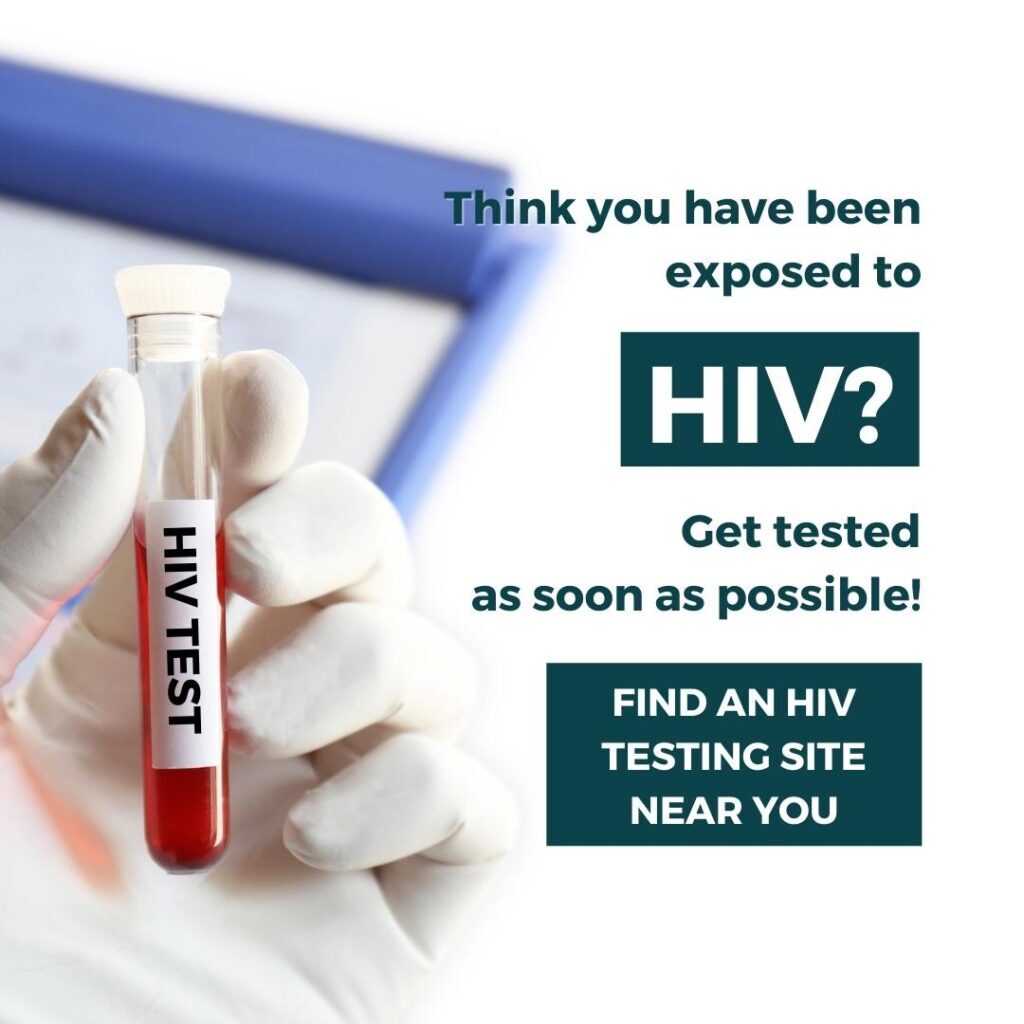
Seek PEP assessment as soon as possible after a possible HIV exposure and start when indicated within 72 hours. Do not wait for symptoms or all pending laboratory results. If more time has passed, still seek assessment and a testing plan. [3]
Do not start PrEP as a substitute after an exposure yourself. PrEP is a prevention option before possible exposure for a person without HIV after appropriate testing and clinical assessment. [4] [3]
Testing and confirmation have limits
An early negative result may need repeating based on the test, exposure timing and PrEP or PEP use. A reactive screening result needs confirmation and an invalid self-test is not negative. Ask a provider for an individual plan rather than using symptom dates as a testing schedule. [2]
The window period is about when a test can detect HIV, not how long to wait for symptoms. Different tests detect different markers, and one result does not establish a partner’s status. [2]
Treatment matters even without symptoms
After a confirmed diagnosis, link to HIV care promptly rather than waiting for a low CD4 count. Do not start, stop or change ART based on symptoms or one blood result. Ask for help with medicine or access difficulties without blaming yourself. [1] [5] [6]
A person on ART who maintains suppression meeting U=U criteria does not transmit HIV through sex. U=U is not a cure or a guarantee about breastfeeding or shared injection equipment, and dignity does not depend on achieving viral suppression. [7]
Seek care for illness without guessing its cause
New, persistent or worsening symptoms deserve assessment even if a previous HIV test was negative. Severe breathing difficulty, rapid throat swelling, fainting or rapid deterioration need emergency care rather than online self-diagnosis. [1] [8]
Use prevention options according to circumstances, not sexual identity, partner count or blame. HIV is not transmitted through ordinary hugging, handshakes or shared meals. Needles and injection equipment should not be shared, and pregnancy, birth and infant feeding need an individual care plan when HIV is relevant. [9] [10] [11]
Frequently asked questions
Can symptoms tell me whether I have HIV?
No. Symptoms can be absent or resemble other conditions. Appropriate testing is needed. [1] [2]
Should I wait for symptoms after a possible exposure?
No. Seek PEP assessment immediately and start when indicated within 72 hours. If more time has passed, still seek assessment and a testing plan. [3]
Does an early negative test always exclude the latest exposure?
No. Interpretation depends on the test, exposure timing and medicines used; repeat testing may be needed. [2]
Do I need to wait for low CD4 before treatment?
No. ART is recommended for people with HIV regardless of CD4 count. Discuss care promptly after confirmation. [5]
Can one symptom diagnose AIDS?
No. Clinical assessment and relevant tests are needed. Do not diagnose a stage from a symptom checklist or timeline. [1] [5]
Summary
HIV can cause no symptoms, or symptoms such as fever, sore throat or rash that resemble other conditions. Appearance and symptoms cannot tell someone their HIV status. Do not wait for a symptom list to match before asking for appropriate testing or care. [1] [2]
ลิงก์และภาพประกอบเดิม
เก็บลิงก์เดิมไว้สำหรับการเข้าถึงข้อมูลประกอบ ไม่ใช้รับรองคำแนะนำทางการแพทย์ ราคา หรือเงื่อนไขปัจจุบัน
ลิงก์ประกอบเดิม 1 ลิงก์ประกอบเดิม 2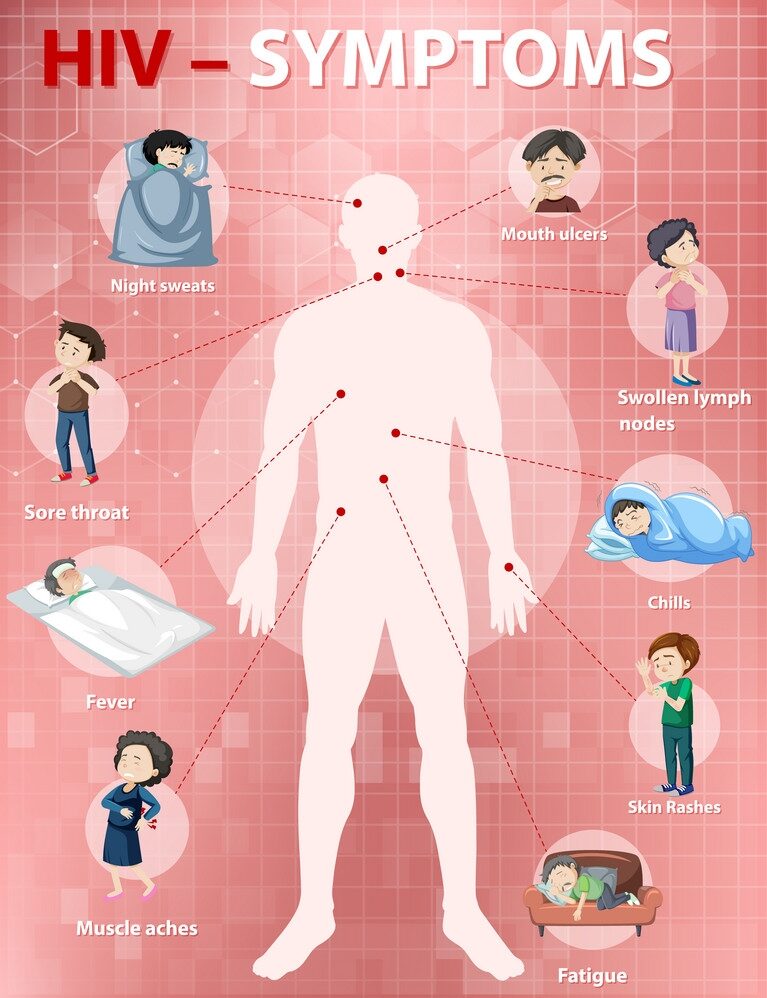
หมายเหตุ บทความนี้ให้ข้อมูลความรู้ทั่วไป ไม่ใช่การวินิจฉัย และไม่ใช่คำแนะนำการใช้ยาเฉพาะบุคคล เรื่องยาและการรักษาเป็นการตัดสินใจร่วมกับแพทย์หรือเภสัชกรที่ดูแลคุณ ไม่ควรซื้อ เริ่ม หยุด หรือปรับยาด้วยตัวเอง หากมีข้อสงสัยเกี่ยวกับสุขภาพของตัวเอง ปรึกษาเจ้าหน้าที่สาธารณสุขหรือคลินิกใกล้บ้านได้เสมอ
อ้างอิงตามข้อความที่ตรวจทาน
- WHO (องค์การอนามัยโลก): HIV และ AIDS
- CDC (สหรัฐฯ): การตรวจ HIV และช่วงหน้าต่าง
- CDC (สหรัฐฯ): แนวทาง PEP ปี 2025
- CDC (สหรัฐฯ): การประเมินและติดตาม PrEP
- NIH (สหรัฐฯ): การติดตาม Viral Load และ CD4
- NIH (สหรัฐฯ): การช่วยแก้อุปสรรคในการใช้ยาและเข้าถึงการดูแล
- NIH (สหรัฐฯ): U=U และการถ่ายทอดทางเพศสัมพันธ์
- NHS (สหราชอาณาจักร): อาการแพ้รุนแรงที่ต้องรับการดูแลฉุกเฉิน
- CDC (สหรัฐฯ): ช่องทางถ่ายทอด HIV
- NIH (สหรัฐฯ): การดูแล HIV ระหว่างตั้งครรภ์และคลอด
- NIH (สหรัฐฯ): HIV และการให้นมทารก
ตรวจทานและปรับปรุงเนื้อหา: 24 ตุลาคม 2569