If you feel at immediate risk of harming yourself, seek emergency help through available local services and a trusted person now. Do not wait for an appointment or a complete symptom checklist. You deserve support without judgment. [1]
Living with HIV can be a challenging experience that can affect a person's mental health. Depression is one of the most common mental health conditions experienced by people with HIV, and it can have a significant impact on their quality of life. This article aims to provide an understanding of depression in people with HIV and explore ways to manage it. [2] [1]
Causes of Depression in People with HIV
There are several reasons why depression may occur in people with HIV. Firstly, the diagnosis of HIV itself can be overwhelming, and it may trigger feelings of anxiety, fear, and uncertainty about the future. Secondly, living with HIV can be a stressful experience that involves dealing with stigma, discrimination, and social isolation. Thirdly, HIV can also affect the brain and the immune system, which can contribute to the development of depression. [2] [1]
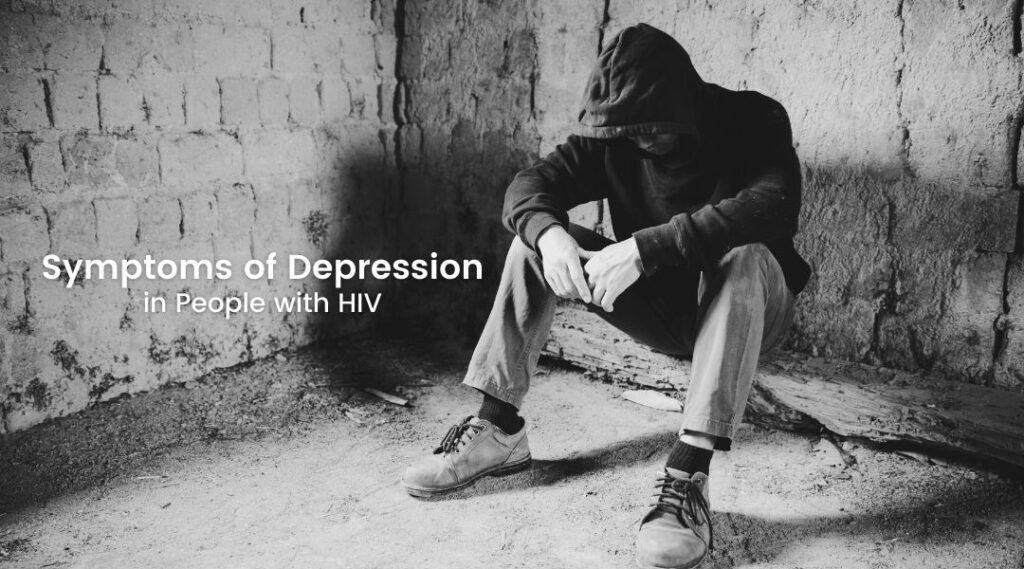
Symptoms of Depression in People with HIV
Depression can have a range of symptoms that can vary in severity and duration. Some common symptoms include persistent sadness, loss of interest in activities, changes in appetite or sleep patterns, fatigue, feelings of worthlessness or guilt, difficulty concentrating, and suicidal thoughts or behaviors. It's important to note that
some of these symptoms may also be a side effect of antiretroviral therapy, which is used to treat HIV. Therefore, it's essential to discuss any changes in symptoms with a healthcare provider. [2] [1]
Treatment Options for Depression in People with HIV
Depression is treatable. Psychological treatments and, when appropriate, medicines are options selected according to severity, preferences and clinical assessment; not everyone needs the same combination. A provider should review HIV medicines and possible interactions. Do not stop ART or start or change psychiatric medicines yourself. Self-care may help but does not replace needed treatment or require forced positive thinking. [1] [2]
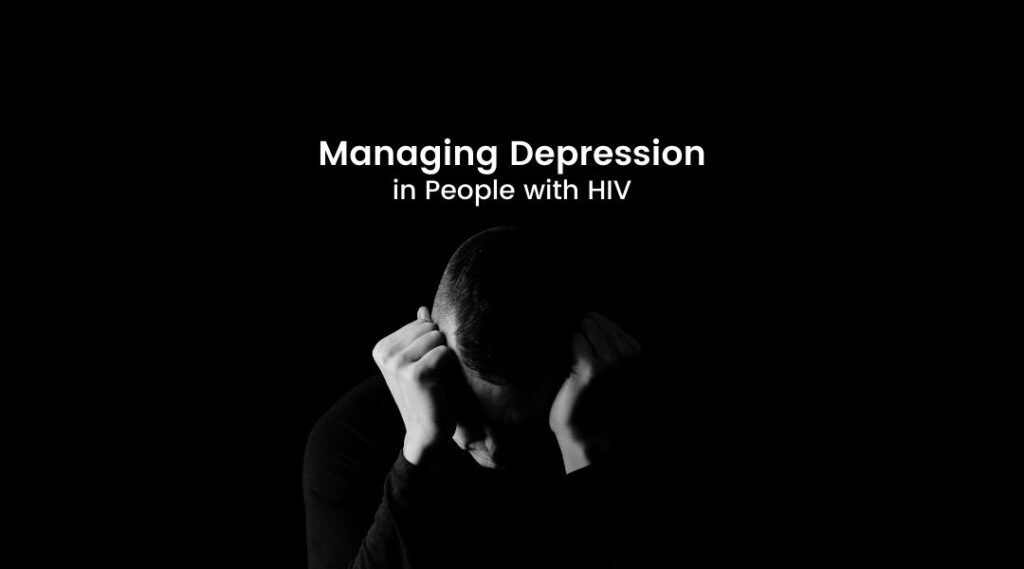
Managing Depression in People with HIV
Managing depression in people with HIV requires a comprehensive approach that addresses both the physical and mental health aspects of the condition. It's important to work closely with a healthcare provider to develop a treatment plan that is tailored to individual needs. Regular follow-up appointments can help to monitor progress
and adjust treatment if necessary. It's also crucial to have a strong support system, which can include friends, family, or support groups. Finally, it's important to practice self-care and engage in activities that promote mental and physical wellbeing.
In conclusion, depression is a common mental health condition experienced by people with HIV. It can have a significant impact on their quality of life and require comprehensive management. Understanding the causes, symptoms, and treatment options for depression in people with HIV can help individuals to take control of their mental
health and improve their overall wellbeing. It's important to seek help from a healthcare provider if you or someone you know is experiencing symptoms of depression. With proper treatment and support, it's possible to manage depression and live a fulfilling life with HIV. [2] [1]
หมายเหตุ บทความนี้ให้ข้อมูลความรู้ทั่วไป ไม่ใช่การวินิจฉัย และไม่ใช่คำแนะนำการใช้ยาเฉพาะบุคคล เรื่องยาและการรักษาเป็นการตัดสินใจร่วมกับแพทย์หรือเภสัชกรที่ดูแลคุณ ไม่ควรซื้อ เริ่ม หยุด หรือปรับยาด้วยตัวเอง หากมีข้อสงสัยเกี่ยวกับสุขภาพของตัวเอง ปรึกษาเจ้าหน้าที่สาธารณสุขหรือคลินิกใกล้บ้านได้เสมอ
อ้างอิงตามข้อความที่ตรวจทาน
ตรวจทานและปรับปรุงเนื้อหา: 24 ตุลาคม 2569