After a recent possible exposure, seek PEP assessment as soon as possible and start when indicated within 72 hours. Do not wait for symptoms or all pending laboratory results. If more time has passed, still seek assessment and a testing plan. [1]
A person on ART who maintains viral suppression meeting U=U criteria does not transmit HIV through sex. This is not a cure or a guarantee for breastfeeding or shared injection equipment. [2]
HIV (Human Immunodeficiency Virus) and AIDS (Acquired Immunodeficiency Syndrome) are two related but distinct medical conditions. [3]
HIV is a virus that attacks the body's immune system, specifically the CD4 cells, which are crucial in fighting off infections. When a person is infected with HIV, their immune system becomes weaker and more vulnerable to other infections and diseases. [3]
AIDS, on the other hand, is a condition that develops when the HIV virus has caused significant damage to the immune system, resulting in a weakened immune system and increased susceptibility to life-threatening infections and cancers. [3]
HIV is the virus and AIDS is an advanced stage of HIV-related illness, not a fixed countdown or a statement that care is futile. Not everyone with HIV develops AIDS; ART can control HIV and reduce illness. Do not use a number of years to predict one person’s course. [3]
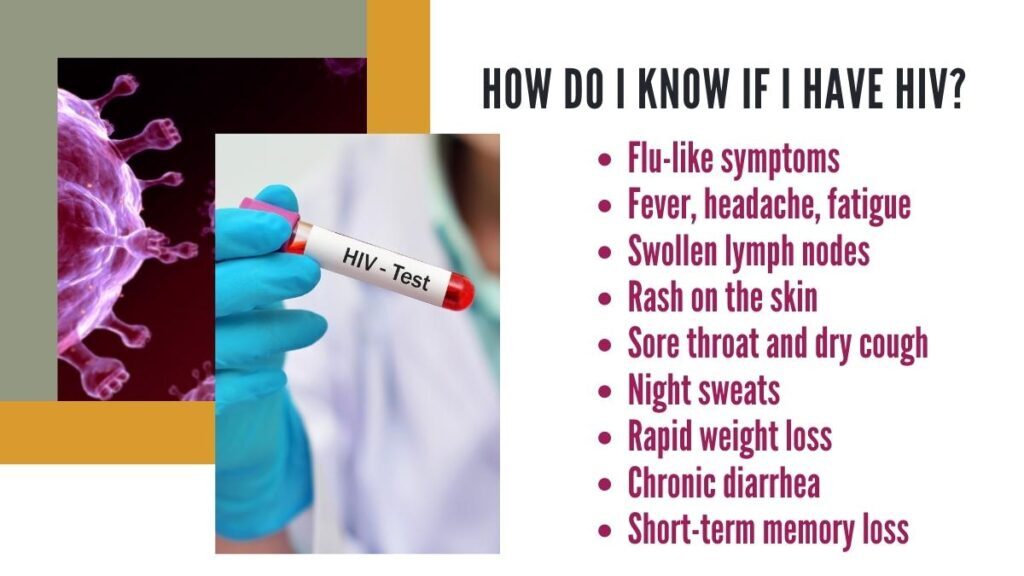
How do I know if I have HIV?
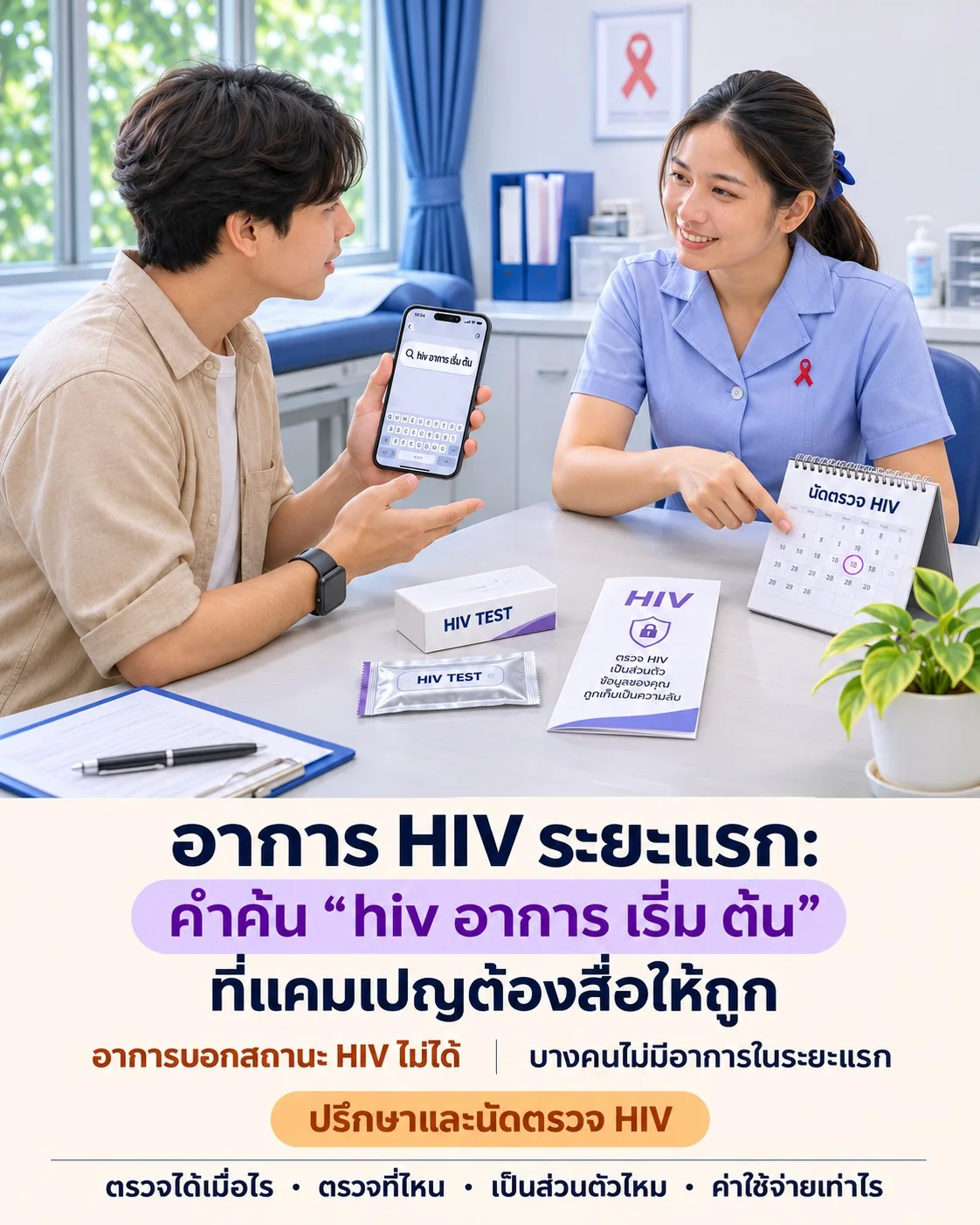
Appropriate testing establishes HIV status; symptoms cannot diagnose or exclude it. Tests detect antibodies, antigen with antibodies, or viral genetic material depending on the test. Samples may be blood or oral fluid according to the product, not interchangeable blood, saliva or urine tests. The following symptoms can have many causes and do not establish HIV status. [4] [3]
- Flu-like symptoms, such as fever, headache, fatigue, and body aches
- Swollen lymph nodes, especially in the neck and armpits
- Rash on the skin
- Sore throat and dry cough
- Night sweats
- Rapid weight loss
- Chronic diarrhea
- Short-term memory loss
HIV may cause no symptoms, but an early negative result can still need repeat testing. Reactive screening results need confirmation and an invalid self-test is not negative. Ask the service about the test, timing, consent, records and result delivery; this article does not guarantee the same privacy arrangements or turnaround time everywhere. [4]
HIV can be transmitted from?
HIV (Human Immunodeficiency Virus) can be transmitted through the following ways: [5]
- Sexual transmission can occur with vaginal or anal sex depending on exposure and prevention. Oral sex generally has little to no HIV transmission risk; do not describe all activities as equivalent. Sustained U=U prevents sexual HIV transmission, and identity or partner status alone is not a risk assessment. [5] [2]
- Blood transfusion or sharing of needles: HIV can be transmitted through the transfusion of contaminated blood or blood products. The virus can also be transmitted through the sharing of needles or syringes contaminated with HIV-infected blood. [5]
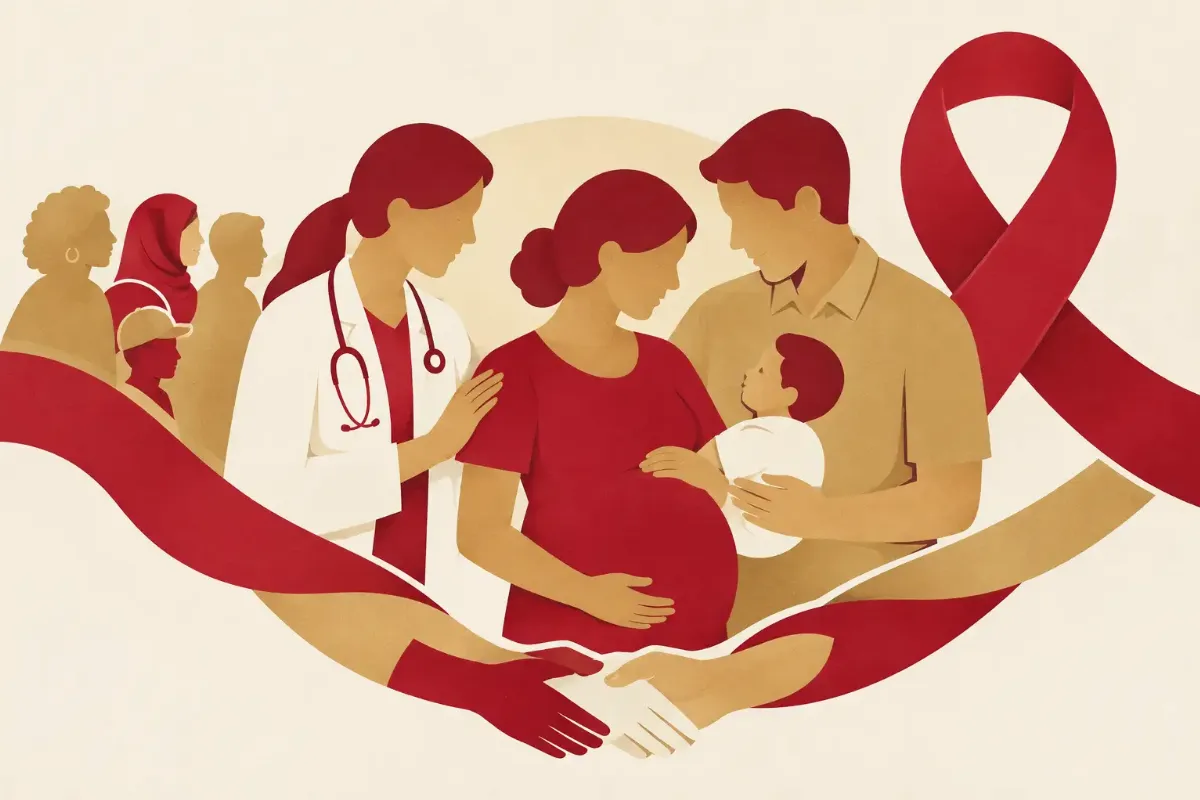
- Mother-to-child transmission: An HIV-positive mother can transmit the virus to her baby during pregnancy, childbirth, or breastfeeding. [5]
- Occupational exposure: Healthcare workers, first responders, and others who come into contact with blood or other bodily fluids may be at risk of HIV infection through accidental needle-sticks or exposure to contaminated blood. [5]
It's important to note that HIV cannot be transmitted through casual contact such as hugging, kissing, sharing food or drinks, or using the same toilet. HIV cannot be transmitted through mosquito bites, air, water, or saliva. [5]
Prevention options include condoms, not sharing injection equipment and PrEP after appropriate assessment. Testing guides care but does not itself prevent transmission. Choose an individual testing and prevention plan without judging identity or partner count. [6] [7] [4]
Can I get AIDS without HIV?
No, it is not possible to develop AIDS (Acquired Immunodeficiency Syndrome) without being infected with HIV (Human Immunodeficiency Virus). HIV is the virus that causes AIDS. [3]
A person can be infected with HIV without showing any symptoms for many years, but without treatment, HIV can progressively weaken the immune system and eventually lead to AIDS. Therefore, all people with AIDS have HIV, but not all people with HIV have progressed to AIDS. [3]
It's important to note that there are other conditions that can affect the immune system and cause symptoms similar to those of AIDS, but these conditions are not the same as AIDS and are not caused by HIV. If you are experiencing symptoms that are concerning to you, it's important to speak with your healthcare provider to get the appropriate diagnosis and treatment. [3]
How does HIV turn into AIDS?
HIV targets the immune system and can remain present without noticeable symptoms. It is not inactive just because a person feels well. Appropriate testing and treatment matter without waiting for symptoms. [3]
Advanced HIV illness requires assessment of clinical conditions and relevant tests, not self-diagnosis from CD4 or a symptom list. ART and care for complications remain important; seek care promptly and do not wait for a particular count before treatment. [3] [8]
Read this next
Advanced HIV illness requires assessment of clinical conditions and relevant tests, not self-diagnosis from CD4 or a symptom list. ART and care for complications remain important; seek care promptly and do not wait for a particular count before treatment. [3] [8]
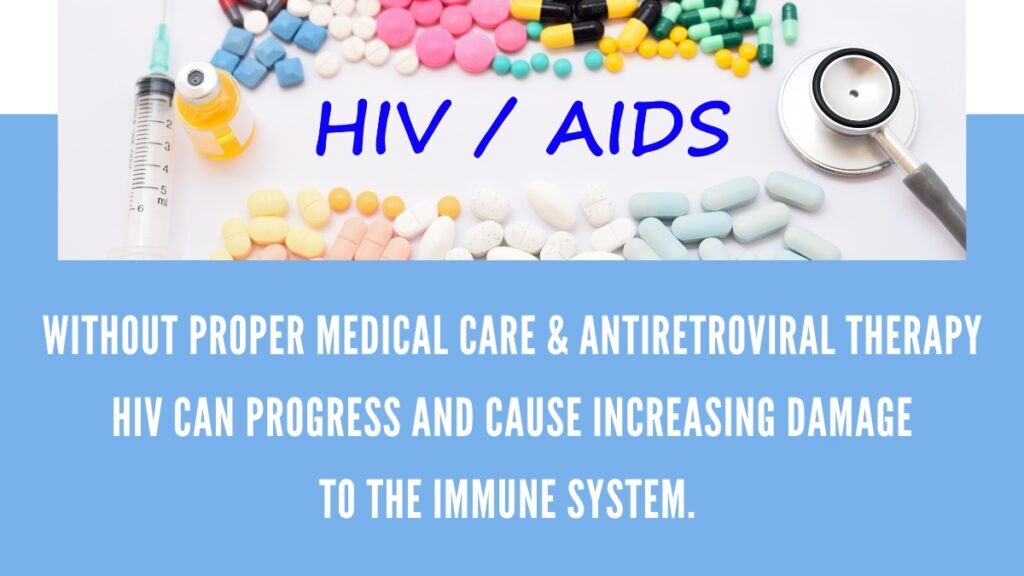
It's important to note that not everyone with HIV will progress to AIDS, especially if they receive proper medical care and antiretroviral therapy. HIV medication can suppress the virus, slow down its damage to the immune system, and prevent it from progressing to AIDS. Early diagnosis and treatment are critical for managing HIV and preventing the progression to AIDS. [3]
หมายเหตุ บทความนี้ให้ข้อมูลความรู้ทั่วไป ไม่ใช่การวินิจฉัย และไม่ใช่คำแนะนำการใช้ยาเฉพาะบุคคล เรื่องยาและการรักษาเป็นการตัดสินใจร่วมกับแพทย์หรือเภสัชกรที่ดูแลคุณ ไม่ควรซื้อ เริ่ม หยุด หรือปรับยาด้วยตัวเอง หากมีข้อสงสัยเกี่ยวกับสุขภาพของตัวเอง ปรึกษาเจ้าหน้าที่สาธารณสุขหรือคลินิกใกล้บ้านได้เสมอ
อ้างอิงตามข้อความที่ตรวจทาน
- CDC (สหรัฐฯ): แนวทาง PEP ปี 2025
- NIH (สหรัฐฯ): U=U และการถ่ายทอดทางเพศสัมพันธ์
- WHO (องค์การอนามัยโลก): HIV และ AIDS
- CDC (สหรัฐฯ): การตรวจ HIV และช่วงหน้าต่าง
- CDC (สหรัฐฯ): ช่องทางถ่ายทอด HIV
- CDC (สหรัฐฯ): การประเมินและติดตาม PrEP
- CDC (สหรัฐฯ): การใช้ถุงยางและการจัดการเมื่อถุงยางแตก
- NIH (สหรัฐฯ): การติดตาม Viral Load และ CD4
ตรวจทานและปรับปรุงเนื้อหา: 24 ตุลาคม 2569