Prevention is a choice of tools, not a judgment about people
HIV prevention can include medicines, barriers, sterile injection equipment and connection to care. The useful combination depends on the actual exposure and personal needs. It is not a requirement to use every tool or disclose publicly to be responsible. [1] [2] [3]
Condoms reduce HIV and some STI risks when used correctly. Do not apply a universal 99% figure to every exposure or assume STI protection is complete. Use a new condom and compatible lubricant, following the product’s instructions. [4]
Consider PrEP before possible exposure
PrEP is for people without HIV after appropriate testing and assessment. Different products have different indications and monitoring; daily oral, event-driven and injectable approaches are not interchangeable. A partner’s HIV status alone does not establish a need for PrEP. [1] [5]
Confirm local availability, costs and follow-up rather than relying on a global insurance claim. Do not buy, share, start or change medicines on your own. [1]
Seek prompt assessment after an exposure
Seek PEP assessment as soon as possible after a possible HIV exposure and start when indicated within 72 hours. Do not wait for symptoms, all pending laboratory results or an online appointment. If more time has passed, still seek assessment and a testing plan. Do not substitute PrEP yourself. [6]
PEP is generally a 28-day course selected and monitored by a clinician. Discuss a transition to PrEP if further exposure may occur; asking for PEP again is not grounds for moral judgment or self-switching medicines. [6] [1]
Treatment and injection safety address different routes
U=U means that a person taking ART who maintains viral suppression meeting care-team criteria does not transmit HIV through sex. It is not a cure, a result from one screening test, or a guarantee for breastfeeding or sharing injection equipment. It does not prevent other STIs. [5]
Use sterile personal needles, syringes and preparation equipment. U=U for sex is not a reason to share injection equipment. Ask about harm-reduction support without having to demonstrate that you have stopped using substances first. [2] [7]
Testing, STI care and support remain important
Testing connects people to care; it does not itself prevent infection. Early negative results may require repeat testing, reactive screens need confirmation and invalid self-tests are not negative. Agree follow-up based on timing, tests and medicines, not one annual schedule for everyone. [8] [1] [6]
Some STIs can increase HIV acquisition likelihood, but that does not mean every person with an STI has HIV or nullify sexual U=U with sustained suppression. Offer appropriate screening, treatment and nonjudgmental support without blaming someone’s identity or relationships. [9] [5] [10]
Frequently asked questions
Prevention is a choice of tools, not a judgment about people
HIV prevention can include medicines, barriers, sterile injection equipment and connection to care. The useful combination depends on the actual exposure and personal needs. It is not a requirement to use every tool or disclose publicly to be responsible. [1] [2] [3]
Consider PrEP before possible exposure
PrEP is for people without HIV after appropriate testing and assessment. Different products have different indications and monitoring; daily oral, event-driven and injectable approaches are not interchangeable. A partner’s HIV status alone does not establish a need for PrEP. [1] [5]
Seek prompt assessment after an exposure
Seek PEP assessment as soon as possible after a possible HIV exposure and start when indicated within 72 hours. Do not wait for symptoms, all pending laboratory results or an online appointment. If more time has passed, still seek assessment and a testing plan. Do not substitute PrEP yourself. [6]
Treatment and injection safety address different routes
U=U means that a person taking ART who maintains viral suppression meeting care-team criteria does not transmit HIV through sex. It is not a cure, a result from one screening test, or a guarantee for breastfeeding or sharing injection equipment. It does not prevent other STIs. [5]
Testing, STI care and support remain important
Testing connects people to care; it does not itself prevent infection. Early negative results may require repeat testing, reactive screens need confirmation and invalid self-tests are not negative. Agree follow-up based on timing, tests and medicines, not one annual schedule for everyone. [8] [1] [6]
Summary
HIV prevention can include medicines, barriers, sterile injection equipment and connection to care. The useful combination depends on the actual exposure and personal needs. It is not a requirement to use every tool or disclose publicly to be responsible. [1] [2] [3]
ลิงก์และภาพประกอบเดิม
เก็บลิงก์เดิมไว้สำหรับการเข้าถึงข้อมูลประกอบ ไม่ใช้รับรองคำแนะนำทางการแพทย์ ราคา หรือเงื่อนไขปัจจุบัน
ลิงก์ประกอบเดิม 1 ลิงก์ประกอบเดิม 2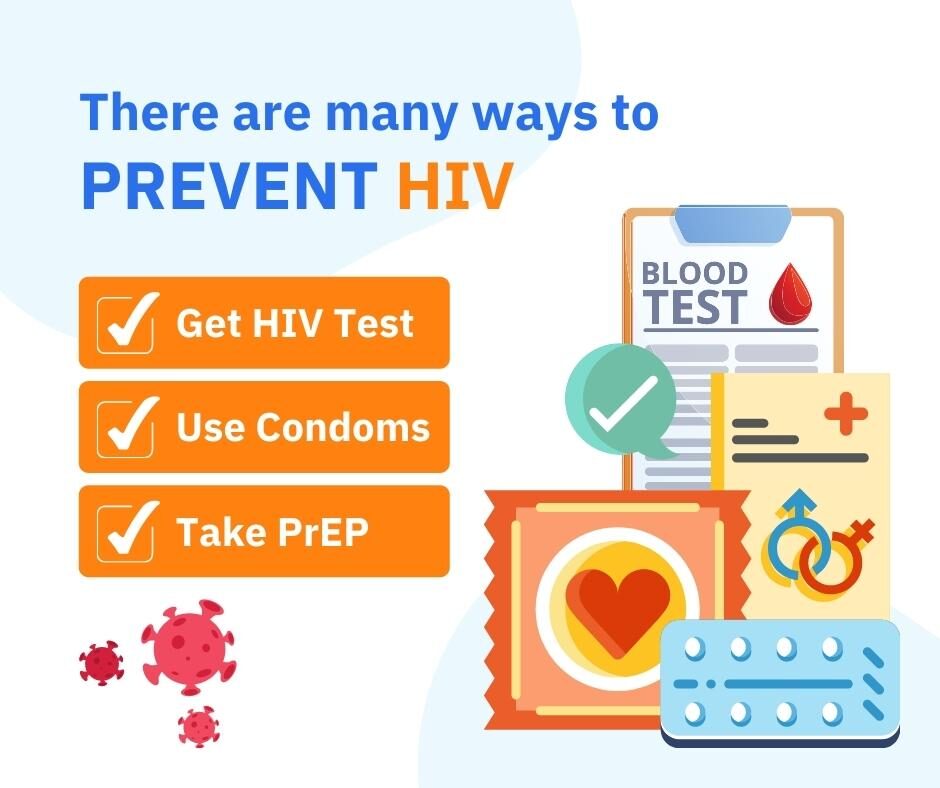
หมายเหตุ บทความนี้ให้ข้อมูลความรู้ทั่วไป ไม่ใช่การวินิจฉัย และไม่ใช่คำแนะนำการใช้ยาเฉพาะบุคคล เรื่องยาและการรักษาเป็นการตัดสินใจร่วมกับแพทย์หรือเภสัชกรที่ดูแลคุณ ไม่ควรซื้อ เริ่ม หยุด หรือปรับยาด้วยตัวเอง หากมีข้อสงสัยเกี่ยวกับสุขภาพของตัวเอง ปรึกษาเจ้าหน้าที่สาธารณสุขหรือคลินิกใกล้บ้านได้เสมอ
อ้างอิงตามข้อความที่ตรวจทาน
- CDC (สหรัฐฯ): การประเมินและติดตาม PrEP
- CDC (สหรัฐฯ): ช่องทางถ่ายทอด HIV
- กรมควบคุมโรค: การตีตราและเลือกปฏิบัติ ไม่ตัดสินหรือลดคุณค่าบุคคล
- CDC (สหรัฐฯ): การใช้ถุงยางและการจัดการเมื่อถุงยางแตก
- NIH (สหรัฐฯ): U=U และการถ่ายทอดทางเพศสัมพันธ์
- CDC (สหรัฐฯ): แนวทาง PEP ปี 2025
- NYSDOH AIDS Institute: Chemsex questions and answers, 2025
- CDC (สหรัฐฯ): การตรวจ HIV และช่วงหน้าต่าง
- WHO: Sexually transmitted infections, 2025
- NIH (สหรัฐฯ): การช่วยแก้อุปสรรคในการใช้ยาและเข้าถึงการดูแล
ตรวจทานและปรับปรุงเนื้อหา: 29 ตุลาคม 2569