
Free HIV Self-Test Kit | Safe Simple and Confidential Testing
Access to HIV testing is a cornerstone of effective HIV prevention and care. Knowing one’s HIV status empowers individuals to make informed decisions about their health, relationships, and future. However, many people still face barriers to testing, including concerns about privacy, stigma, inconvenient clinic hours, fear of judgment, or limited access to healthcare facilities. These challenges often delay testing and, in some cases, prevent individuals from testing altogether. The Free HIV Self-Test Kit has emerged as a transformative solution to these barriers. By allowing individuals to test themselves privately, safely, and conveniently, HIV self-testing represents a major advancement in public health. Free access further reduces inequality and ensures that cost is not an obstacle to knowing one’s status. With a growing global emphasis on early diagnosis and prevention, HIV self-testing is increasingly recognized as an essential tool in the fight against HIV.
This article provides a comprehensive, in-depth exploration of the Free HIV Self-Test Kit, explaining how it works, who it is for, its accuracy and safety, and its role in modern HIV prevention strategies. Written in a clear and professional tone, this guide is designed to support informed decision-making and promote confident, responsible testing.
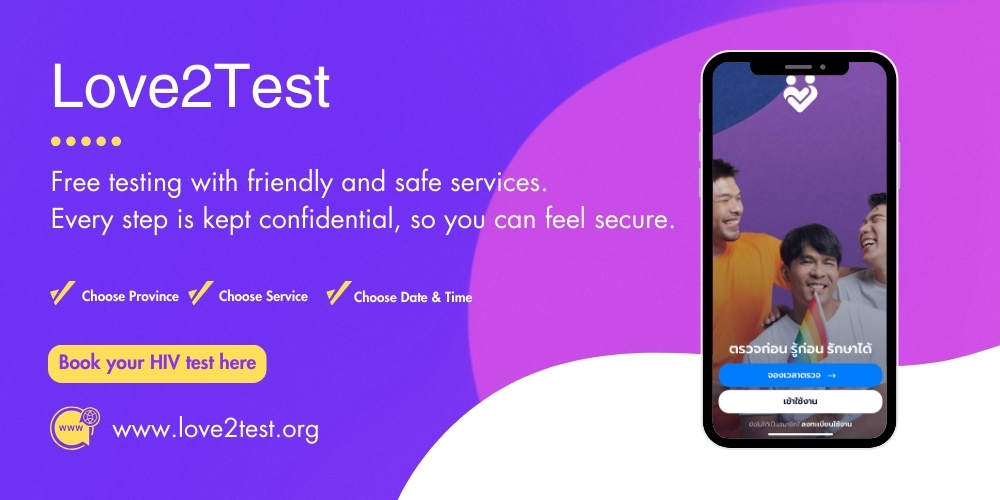
Understanding HIV and the Importance of Early Testing
Human Immunodeficiency Virus, commonly known as HIV, attacks the immune system and, if left untreated, can progress to Acquired Immunodeficiency Syndrome. In the early stages of infection, HIV often presents with mild or non-specific symptoms, or no symptoms at all. As a result, many individuals may be unaware of their status for months or even years after exposure.
Early HIV testing plays a critical role in both individual health outcomes and public health. When HIV is diagnosed early, antiretroviral treatment can be initiated promptly, allowing people living with HIV to maintain a strong immune system and live long, healthy lives. Effective treatment also reduces viral load to undetectable levels, which means HIV cannot be transmitted to sexual partners. From a public health perspective, increasing access to testing helps reduce the number of undiagnosed infections, interrupts transmission chains, and supports prevention strategies such as treatment as prevention and pre-exposure prophylaxis. The Free HIV Self-Test Kit contributes directly to these goals by expanding access to testing beyond traditional clinical settings.
What Is a Free HIV Self-Test Kit
A Free HIV Self-Test Kit is a medical testing device that allows individuals to check their HIV status on their own, without the need to visit a clinic or laboratory. These kits are designed to be easy to use, reliable, and discreet. They typically detect HIV antibodies, which are produced by the immune system in response to HIV infection.
HIV self-test kits are approved by regulatory authorities and meet international quality and safety standards. They are distributed through public health programs, non-governmental organizations, community-based services, and online platforms. The fact that they are provided free of charge ensures equitable access, particularly for populations who may face financial or social barriers to clinic-based testing. The purpose of a self-test kit is not to replace professional healthcare services but to complement them. A reactive or positive self-test result is always considered a preliminary result and must be confirmed by a healthcare provider using standard diagnostic tests.

How a Free HIV Self-Test Kit Works
The process of using a Free HIV Self-Test Kit is straightforward and designed for individuals with no medical training. Most kits use either an oral fluid sample or a small finger-prick blood sample. The test detects antibodies to HIV rather than the virus itself. After collecting the sample according to the instructions, the user waits for a specified amount of time, usually between 15 and 20 minutes, before reading the result. The result is displayed clearly, often using lines or symbols similar to a pregnancy test. Instructions are provided to help users understand whether the result is non-reactive or reactive.
Self-test kits are designed with clarity and simplicity in mind to minimize the risk of user error. Clear written instructions, illustrations, and sometimes online video guides support correct usage. This simplicity makes self-testing accessible to a wide range of users, including those who may feel intimidated by clinical testing environments.
Accuracy and Reliability of HIV Self-Testing
Accuracy is a common concern among individuals considering self-testing. Extensive research and real-world implementation have demonstrated that approved HIV self-test kits are highly accurate when used correctly. The sensitivity and specificity of these tests are comparable to standard rapid tests used in healthcare settings. It is important to understand the concept of the window period. The window period refers to the time between HIV exposure and the point at which antibodies can be reliably detected. During this period, a test may produce a non-reactive result even if HIV infection has occurred. Most HIV self-test kits are reliable from several weeks after exposure, depending on the type of test used.

Users are advised to consider their most recent potential exposure and, if necessary, repeat testing or seek professional testing. Clear guidance on window periods and follow-up testing is typically included with the Free HIV Self-Test Kit to ensure informed interpretation of results.
Privacy, Confidentiality, and User Control
One of the most significant advantages of the Free HIV Self-Test Kit is the level of privacy it offers. Testing can be done in a location chosen by the user, at a time that feels comfortable and safe. There is no need to disclose personal information, register at a clinic, or interact with healthcare staff unless the user chooses to do so.
This level of confidentiality is particularly valuable for individuals who fear stigma, discrimination, or unwanted disclosure of their sexual health information. Self-testing allows individuals to take control of their health without external pressure or judgment. Privacy does not mean isolation. Most programs that distribute free HIV self-test kits also provide information on counseling services, hotlines, or online support platforms. These resources ensure that users can access professional support if they have questions or concerns about their results.
Who Should Use a Free HIV Self-Test Kit
The Free HIV Self-Test Kit is suitable for a wide range of individuals. It is particularly useful for people who have not tested recently, those who test regularly as part of routine sexual health care, and individuals who prefer private testing options. Self-testing is also beneficial for people with busy schedules, those living in remote areas, or individuals who feel uncomfortable accessing traditional healthcare services. It can support regular testing among people at ongoing risk of HIV exposure and encourage first-time testing among those who have never tested before.
While self-testing is a powerful tool, it is not intended for diagnosing HIV in infants or for individuals who require immediate medical evaluation due to symptoms of acute HIV infection. In such cases, direct consultation with a healthcare provider is recommended.
Interpreting HIV Self-Test Results

Understanding test results is a crucial part of the self-testing process. A non-reactive result means that HIV antibodies were not detected at the time of testing. This result suggests that the user is HIV-negative, provided that the test was taken outside the window period. A reactive result means that HIV antibodies may be present. This does not constitute a definitive diagnosis. A reactive self-test result must be followed by confirmatory testing at a healthcare facility. Instructions accompanying the Free HIV Self-Test Kit clearly emphasize this step to prevent misunderstanding or unnecessary anxiety.
Users are encouraged to read results within the specified time frame and to follow the instructions carefully. Support resources are usually included to guide users through next steps, regardless of the outcome.
Emotional Well-Being and Support After Testing
HIV testing, whether conducted at home or in a clinic, can be an emotional experience. Feelings of anxiety, relief, fear, or uncertainty are common. The availability of free HIV self-test kits is often paired with access to counseling services to support users emotionally.
Many programs provide telephone hotlines, online chat services, or referral pathways to healthcare providers and community organizations. These services help users process their results, understand their options, and plan next steps in a supportive and non-judgmental environment. Promoting emotional well-being is an integral part of responsible HIV self-testing. The goal is not only to provide access to testing but also to ensure that individuals feel supported throughout the process.
The Role of Free HIV Self-Test Kits in HIV Prevention
The Free HIV Self-Test Kit plays a vital role in comprehensive HIV prevention strategies. By increasing testing frequency and reaching individuals who might otherwise remain untested, self-testing contributes to earlier diagnosis and reduced transmission.
Self-testing also supports other prevention tools, including condom use, treatment as prevention, post-exposure prophylaxis, and pre-exposure prophylaxis. Knowing one’s HIV status enables informed decision-making and timely access to prevention or treatment services. At a population level, widespread access to free HIV self-testing helps normalize testing, reduce stigma, and create a culture of proactive sexual health care.
Accessibility and Equity in HIV Testing

Providing HIV self-test kits free of charge is a powerful step toward health equity. Cost remains a significant barrier to healthcare access for many individuals. By removing financial barriers, free distribution programs ensure that testing is available to those who need it most. Equitable access also involves culturally appropriate information, multilingual instructions, and inclusive outreach strategies. Successful self-testing programs prioritize community engagement and tailor their approaches to meet the needs of diverse populations. The Free HIV Self-Test Kit is not just a medical tool but a symbol of inclusive, people-centered healthcare.
Addressing Common Myths and Misconceptions
Despite growing acceptance, misconceptions about HIV self-testing persist. Some people believe that self-tests are unreliable or unsafe, while others worry about being alone with their results. Evidence consistently shows that approved self-test kits are accurate and that users are capable of performing the test correctly.
Another misconception is that self-testing replaces professional care. In reality, self-testing complements existing healthcare services and often serves as an entry point to care. Clear communication and education are essential to address these myths and build trust in self-testing. Accurate information empowers individuals to use the Free HIV Self-Test Kit with confidence and clarity.
Integration With Digital Health and Modern Care Models
Digital health platforms increasingly support HIV self-testing by providing online ordering, instructional videos, result interpretation guidance, and virtual counseling. These innovations enhance user experience and ensure continuity of care. Integration with digital tools also allows for anonymous data collection, which helps public health programs monitor testing uptake and identify gaps in service delivery. The combination of free self-test kits and digital support represents a modern, scalable approach to HIV prevention and care.
The Future of HIV Self-Testing

The future of HIV self-testing is closely tied to broader efforts to end HIV as a public health threat. Continued innovation, policy support, and community engagement will be essential to expand access and maximize impact. As awareness grows and stigma declines, self-testing is likely to become a routine part of sexual health care. The Free HIV Self-Test Kit will remain a key component of inclusive, accessible, and effective HIV prevention strategies worldwide.
Related Article
The Free HIV Self-Test Kit represents a significant advancement in HIV testing and prevention. By offering a safe, simple, and confidential way to know one’s HIV status, it empowers individuals to take control of their health on their own terms. Free access ensures that testing is not limited by cost, while privacy and convenience address many of the barriers associated with traditional clinic-based testing.


