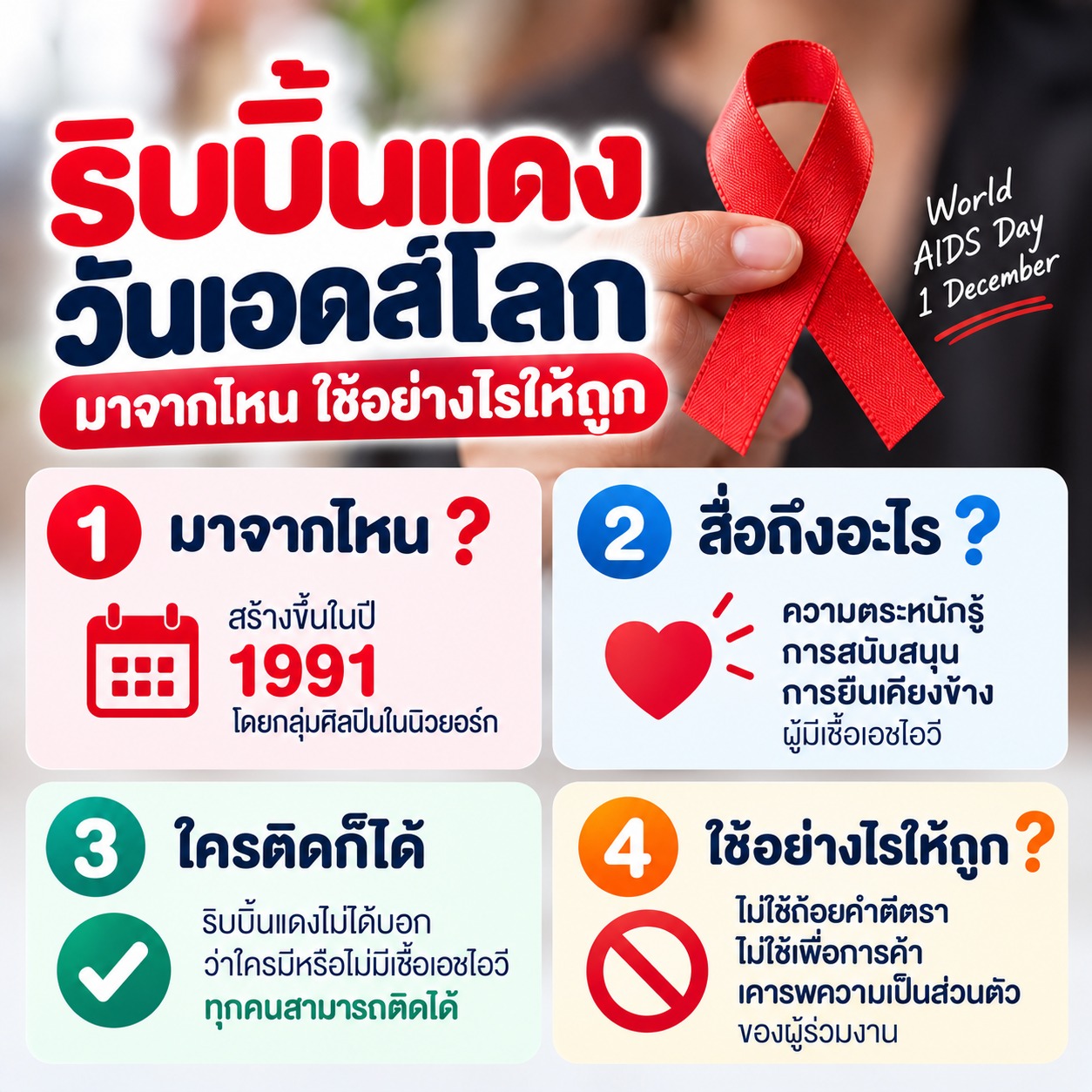
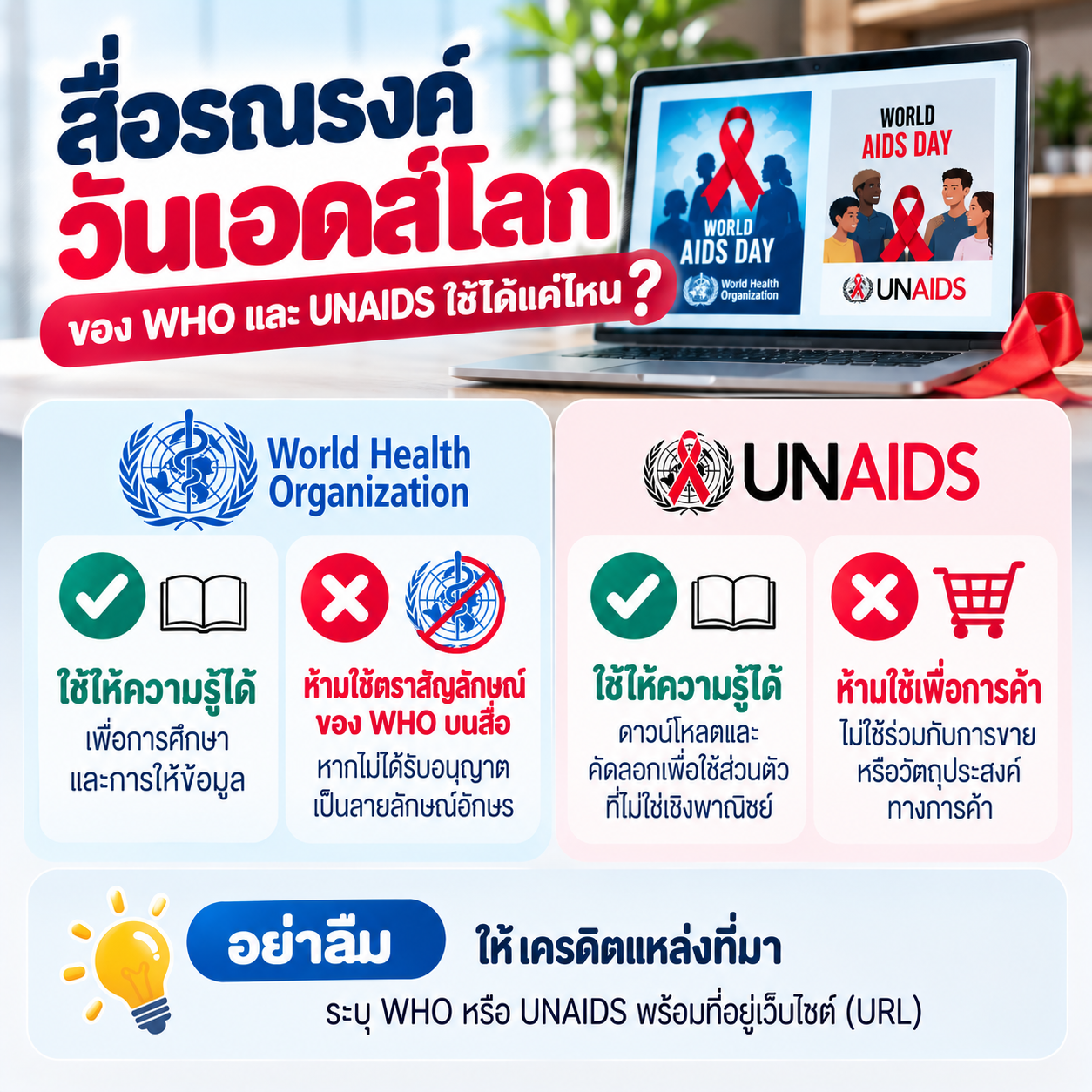
This article turns A Practical Case Study into a practical World AIDS Day campaign module. It is written for schools, community organizations, health services, workplaces, media teams, and event organizers. It is not individual medical advice and it does not replace local clinical protocols.
Campaign purpose
The central angle is community-led partnerships, inclusive digital outreach, and measurable campaign reach. The campaign should do more than attract attention on 1 December: it should help a person understand one reliable fact, find a confidential service, or join a concrete rights-based action.
Before producing a poster or social post, write a one-sentence outcome. A useful outcome names an audience, an action, and a deadline. For example: “By the end of the event, participants can identify a confidential HIV service and know what follow-up is available.” Avoid goals such as “make everyone aware,” because they cannot be measured or connected to care.
The non-negotiable fact
Community leadership is not decoration. Campaigns are safer and more relevant when people affected by HIV help set goals, approve language, choose channels, and interpret results.
Every spokesperson, volunteer, caption, and partner should use the same evidence-based explanation. If local guidance or service details differ, the organizer must verify them with the responsible health authority before publication. Put the date reviewed on internal fact sheets so that old claims do not quietly return in the next campaign cycle.
Audience and message map
| Audience | What they may need | Helpful message | Next action |
|---|---|---|---|
| People considering a first HIV test | Privacy, cost, timing, and what results mean | Testing is health care, not a judgment | Save or book a trusted service |
| People living with HIV | Respect, treatment continuity, and freedom from disclosure pressure | Treatment supports long-term health and rights belong to everyone | Connect to care or peer support by choice |
| Partners, families, and friends | Plain language and ways to be supportive | Listen, protect privacy, and do not assume | Learn one supportive response |
| Schools and workplaces | Safeguarding and non-discrimination | Participation and testing must be voluntary | Publish privacy and referral rules |
| Media and creators | Accurate words, context, and consent | Report systems and solutions without identifying people | Use the campaign terminology sheet |
Translate meaning rather than slogans word for word. Test the draft with people from the intended audience, including people living with HIV, and pay them for substantive review when possible.
A ready-to-run campaign activity
Use a co-design workshop that gives affected communities decision-making power, credit, and a paid role as the core activity. It can run as a 45-minute workshop, a staffed event station, or a moderated online session.

- Welcome and consent — 5 minutes: explain that participation is voluntary, no one must share personal health information, and photography requires separate permission.
- Shared fact — 10 minutes: present the non-negotiable fact above with the source and review date visible.
- Scenario practice — 10 minutes: use fictional, non-gendered situations. Ask what the person needs next rather than asking participants to guess an identity or diagnosis.
- Service path — 10 minutes: show exactly how to reach testing, prevention, treatment, mental-health, and rights support. State opening hours, cost, language access, and limits of confidentiality.
- Commitment and follow-up — 10 minutes: Name the community decision-makers, agree on shared measures, and document who owns every campaign asset.
For a public event, create a quiet route to private consultation. A colorful stage does not compensate for a referral desk that exposes a participant's reason for attending.
Safeguarding and language rules
Do not extract personal stories, logos, or community credibility without consent, compensation, clear ownership, and a plan for handling harm.
- Say “person living with HIV,” not labels that reduce a person to a diagnosis.
- Distinguish HIV from AIDS and screening from confirmed diagnosis.
- Never publish a participant's HIV status, face, voice, location, or story without specific and revocable consent.
- Do not use sexuality, gender identity, nationality, disability, work, or appearance as a shortcut for risk.
- Avoid claims such as “clean,” “safe person,” “AIDS victim,” or “end HIV by testing everyone.”
- Provide a way to report harm and name the person responsible for responding.
If a personal story is central to the campaign, agree in writing where it will appear, how long it will remain online, whether it can be edited or withdrawn, and whether the speaker will be paid. Consent to speak at one event is not consent for permanent reuse.
Campaign asset pack
Prepare a small, controlled asset pack rather than many inconsistent posts:
- a one-page fact sheet with sources and review date;
- a square social card with one message and one action;
- a vertical story card with service hours and accessibility details;
- a 30-second spokesperson script;
- an event host briefing with words to use and avoid;
- a referral card that works without sharing personal data;
- image consent forms separated from health-service consent;
- alt text, captions, translations, and a plain-language version.
Sample poster copy
World AIDS Day: information, dignity, and action Join a practical session on A Practical Case Study. Voluntary participation • confidential support • no judgment Add the verified date, place, access details, cost, and contact here.
Sample social caption
“World AIDS Day is a moment to turn reliable HIV information into year-round action. Our session on A Practical Case Study connects one clear fact with confidential support and a practical next step. Participation is voluntary and no one will be asked to disclose HIV status. See the verified event and service details at [organizer's official channel].”
Do not leave placeholder links in the published version. Test every QR code and contact path on a phone outside the organization's network.
Partner and service checklist
- Give community representatives real approval power over goals, language, and images.
- Confirm the capacity of every referral service before promoting it.
- Identify an urgent PEP route that can assess exposures within 72 hours.
- Plan confirmatory testing and treatment linkage before offering screening.
- Check disability access, languages, transport, fees, opening hours, and age requirements.
- Train staff on confidentiality, consent, distress, discrimination, and media contact.
- Store the minimum personal data, restrict access, set a deletion date, and explain these rules clearly.
- Create a backup plan if turnout exceeds testing or counseling capacity.
Partnership logos should not be treated as proof of quality. Assign an owner to each promise and record how the public can correct inaccurate information.
Measurement that respects people
Track the campaign pathway rather than the number of diagnoses. Useful measures include reach of accessible materials, private questions answered, voluntary bookings, completed referrals, time to service, participant understanding, and resolved privacy or discrimination complaints.
Report only aggregated information that cannot identify a person or a small group. Never rank locations or communities by positive results. Combine numbers with anonymous feedback, document what failed, and schedule a review after 1 December so the work leads to year-round improvement.
แหล่งข้อมูล / Sources
Review medical claims, campaign themes, local law, and service details close to publication. This toolkit supports campaign planning; qualified local services remain responsible for individual assessment and care.