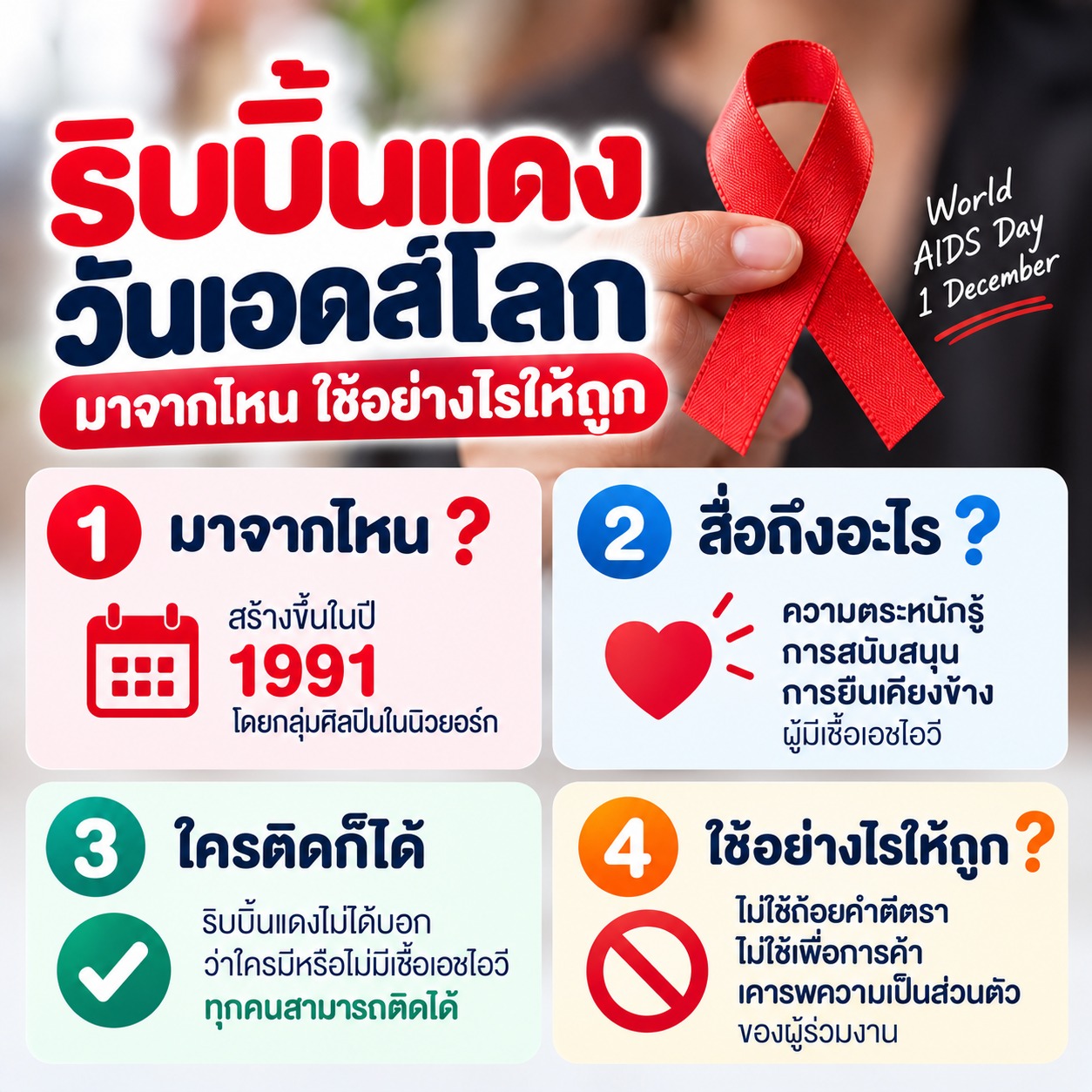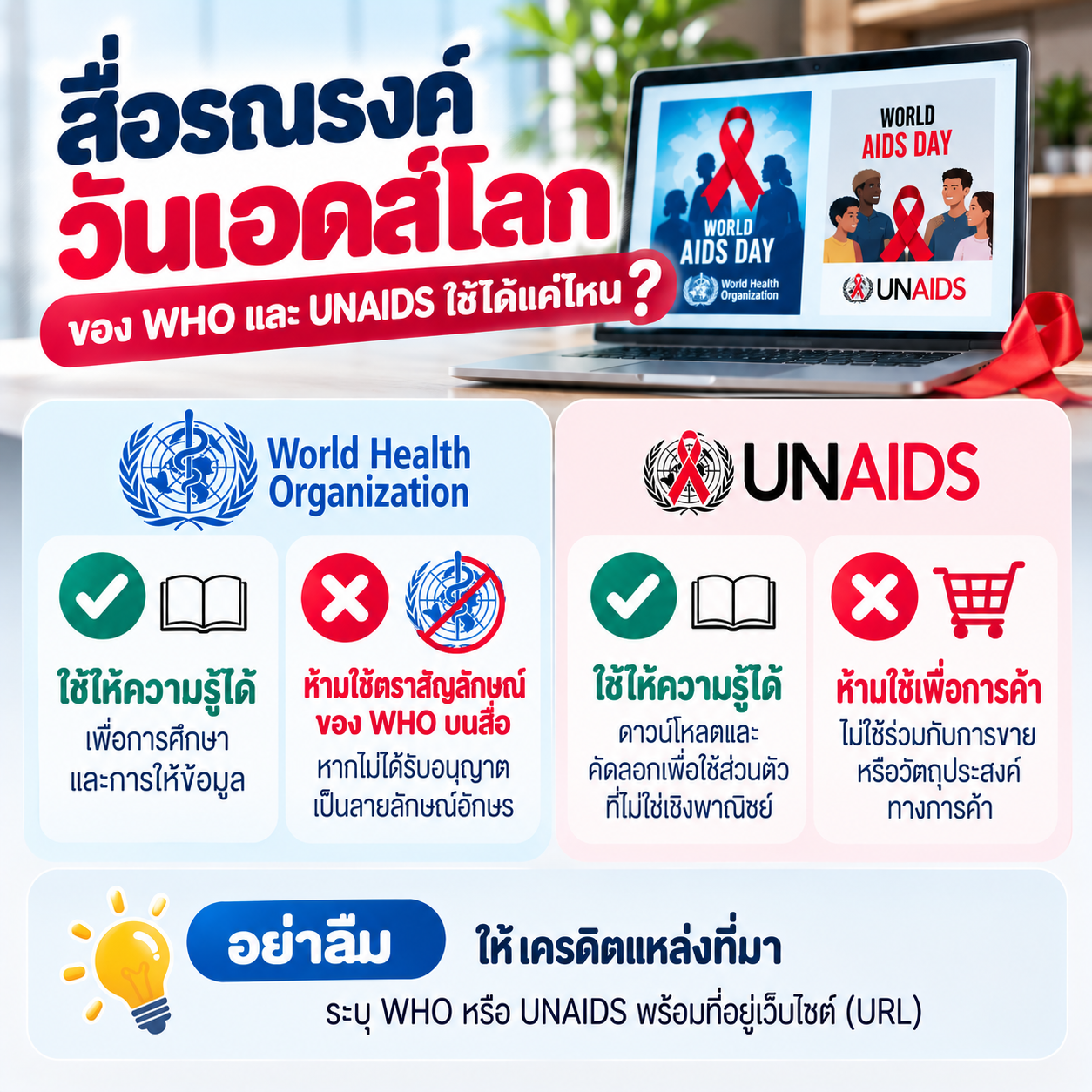
Living with HIV is a transformative journey that demands understanding, resilience, and proactive self-care. With the advent of advanced medical treatments and supportive resources, HIV has transitioned from a life-threatening illness to a manageable chronic condition. By adhering to treatment plans, adopting a balanced lifestyle,
and fostering emotional and social well-being, individuals can achieve a high quality of life. This comprehensive guide delves into effective self-care practices for those living with HIV, providing insights to help them thrive.
Understanding HIV and Its Impact
HIV, or human immunodeficiency virus, primarily targets the immune system, weakening the body’s defenses against infections and illnesses. It specifically attacks CD4 cells, crucial components of the immune system. Without treatment, HIV can progress to AIDS, a stage where the immune system is severely compromised
. Thanks to modern advancements, individuals who adhere to antiretroviral therapy (ART) can suppress the virus, achieving an undetectable viral load and significantly reducing the risk of transmission.
The psychological and social impact of an HIV diagnosis can be profound. Beyond the physical implications, individuals often face stigma, fear, and uncertainty. Understanding the nature of HIV, its treatment options, and the support available is critical for fostering hope and empowerment.
The Role of Antiretroviral Therapy (ART)
Antiretroviral therapy is the cornerstone of HIV management. By inhibiting the replication of the virus, ART helps maintain immune system function and prevents disease progression. Adherence to ART is paramount; missing doses can lead to drug resistance, reducing the effectiveness of treatment. To ensure consistent medication use:
- Set daily reminders or alarms.
- Use pill organizers to track doses.
- Maintain open communication with healthcare providers to address side effects or concerns.
Regular monitoring of viral load and CD4 counts is essential. These indicators help assess the effectiveness of treatment and guide adjustments when necessary.
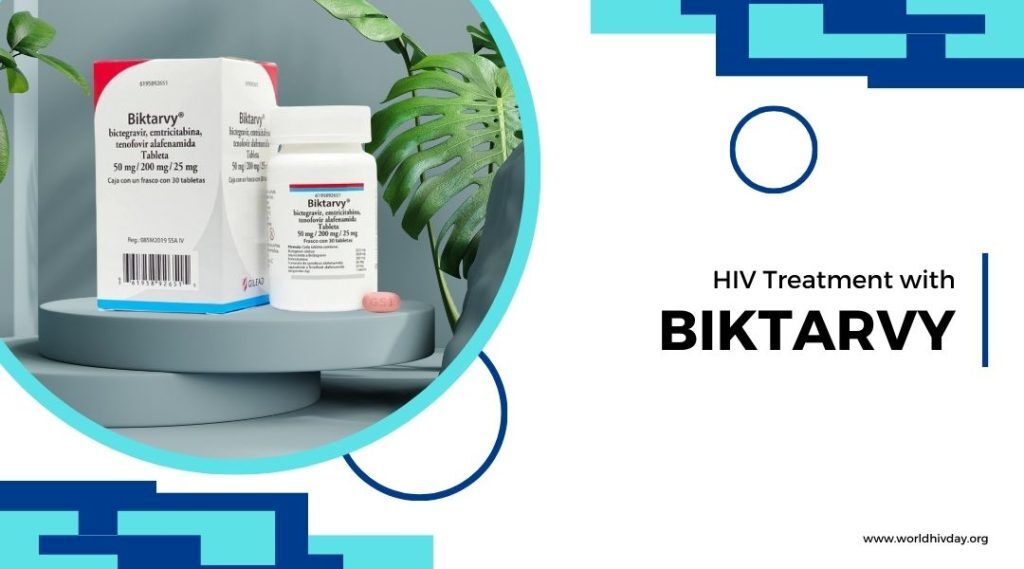
HIV Treatment with Biktarvy
Biktarvy is a highly effective antiretroviral medication that combines three active ingredients: bictegravir, emtricitabine, and tenofovir alafenamide. This once-daily tablet has revolutionized HIV treatment by offering simplicity, efficacy, and a favorable safety profile.
Benefits of Biktarvy
Biktarvy is one ART option, not a universally suitable medicine. Interactions, kidney or liver conditions, other medicines, and individual treatment history must be reviewed by the prescriber. Do not switch to it based on a claim of low side effects or few interactions. [1] [2]
Adherence and Monitoring
As with any ART regimen, adherence to Biktarvy is crucial. Missing doses can compromise its effectiveness and increase the risk of drug resistance. Regular medical check-ups ensure that the treatment remains effective and that any potential side effects are managed promptly.
Biktarvy and Long-Term Health
Studies show that Biktarvy is effective in preserving immune function and preventing the progression of HIV-related complications. Its streamlined dosing and strong efficacy make it a cornerstone in modern HIV care.
Cultivating Strong Support Networks
The journey of living with HIV is enriched by strong relationships and community connections. Building a support network involves:
- Open communication with family and friends.
- Joining local or online HIV support groups.
- Accessing community resources and advocacy organizations. Support networks provide emotional backing, practical advice, and a sense of belonging.
Comprehensive Physical Health Management

Physical health plays a pivotal role in the overall well-being of individuals living with HIV. A multi-faceted approach ensures optimal health outcomes:
Nutrition
A balanced diet strengthens the immune system and supports overall vitality. Incorporate:
- Fresh fruits and vegetables for essential vitamins and minerals.
- Lean proteins to promote muscle repair and growth.
- Whole grains for sustained energy.
- Healthy fats, such as those found in avocados and nuts, for cardiovascular health. Limit processed foods, excessive sugar, and saturated fats. Consulting with a nutritionist familiar with HIV care can provide tailored dietary guidance.
Exercise
Regular physical activity boosts cardiovascular health, enhances mood, and combats fatigue. Aim for a combination of:
- Aerobic exercises like walking, cycling, or swimming.
- Strength training to preserve muscle mass.
- Flexibility exercises such as yoga or stretching. Always consult with a healthcare provider before beginning a new exercise regimen.
Routine Healthcare
Regular check-ups allow for the early detection and management of co-infections or complications. Vaccinations, screenings, and preventive care should be a priority.
Exploring the Future of HIV Care and Research
The landscape of HIV treatment and research is continually evolving. Innovations such as long-acting injectables, potential vaccines, and gene-editing therapies offer hope. Staying informed through reliable sources ensures access to the latest developments and empowers individuals to advocate for their care.
Adopting Safe Practices and Preventive Measures
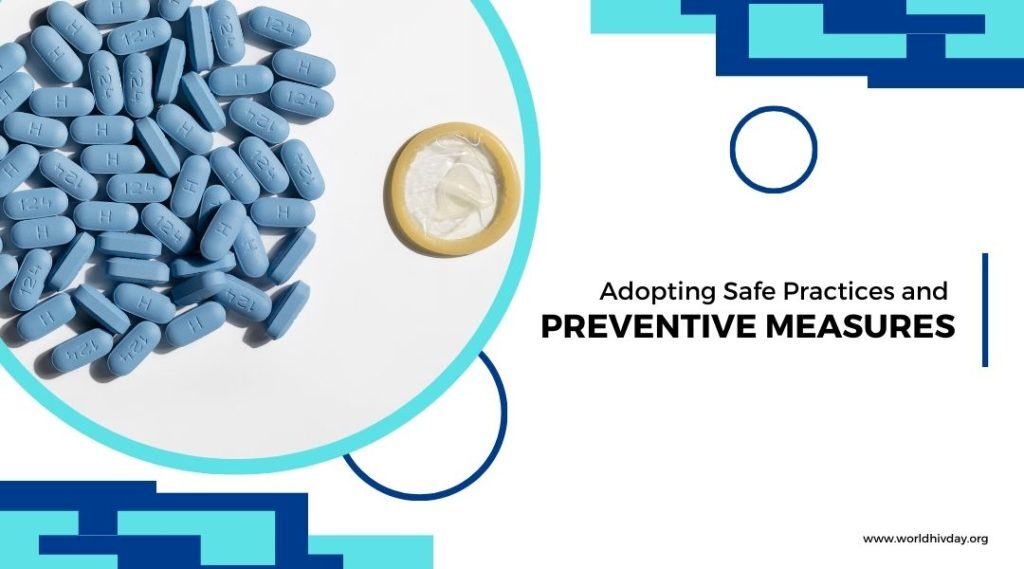
Preventing the spread of HIV and safeguarding overall health are critical aspects of self-care:
- Use protection during sexual activity.
- Consider PrEP or PEP for partners at risk.
- Discuss vaccination and infection prevention with the care team. Do not share needles or injection equipment. Ordinary household contact and sharing everyday objects do not transmit HIV; precautions for other infections depend on the situation. [3]
Related Article
- Biktarvy | Current popular HIV antiviral medications
- U = U and Family Building for People Living with HIV
Thriving with HIV requires a holistic approach to self-care, encompassing physical health, emotional resilience, and strong social connections. By embracing medical advancements, adopting a healthy lifestyle, and building supportive relationships, individuals can lead fulfilling lives and overcome challenges with confidence. Remember, you are part of a resilient community with access to a wealth of resources and support.
หมายเหตุ บทความนี้ให้ข้อมูลความรู้ทั่วไป ไม่ใช่การวินิจฉัย และไม่ใช่คำแนะนำการใช้ยาเฉพาะบุคคล เรื่องยาและการรักษาเป็นการตัดสินใจร่วมกับแพทย์หรือเภสัชกรที่ดูแลคุณ ไม่ควรซื้อ เริ่ม หยุด หรือปรับยาด้วยตัวเอง หากมีข้อสงสัยเกี่ยวกับสุขภาพของตัวเอง ปรึกษาเจ้าหน้าที่สาธารณสุขหรือคลินิกใกล้บ้านได้เสมอ
อ้างอิงตามข้อความที่ตรวจทาน
ตรวจทานและปรับปรุงเนื้อหา: 14 ตุลาคม 2569